

The Rise of electric vehicles in the Kenyan Logistics and delivery Space
Kenya’s landscape, however, is on the verge of a significant transformation. The rise of electric vehicles (EVs) is more than just an environmental aspiration; it is a strategic imperative poised to fundamentally rewrite the unit economics governing profitability and sustainability in Kenya’s transport and logistics industry. This transition necessitates detailed re-evaluation of every shilling spent and earned each delivery, distance, and shipment.
Why Transport Companies are Going Electric
The fuel cost is the most obvious and significant effects translates on Kenyan unit economics. The volatile fluctuations of world oil prices and how they translate into local pump prices are a constant threat to traditional logistics operations. Long-term planning is a speculative endeavour because of this instability. On the other hand, electric vehicles s use electricity, mostly from Kenya Power and Lighting Company , instead of liquid fossil fuels.
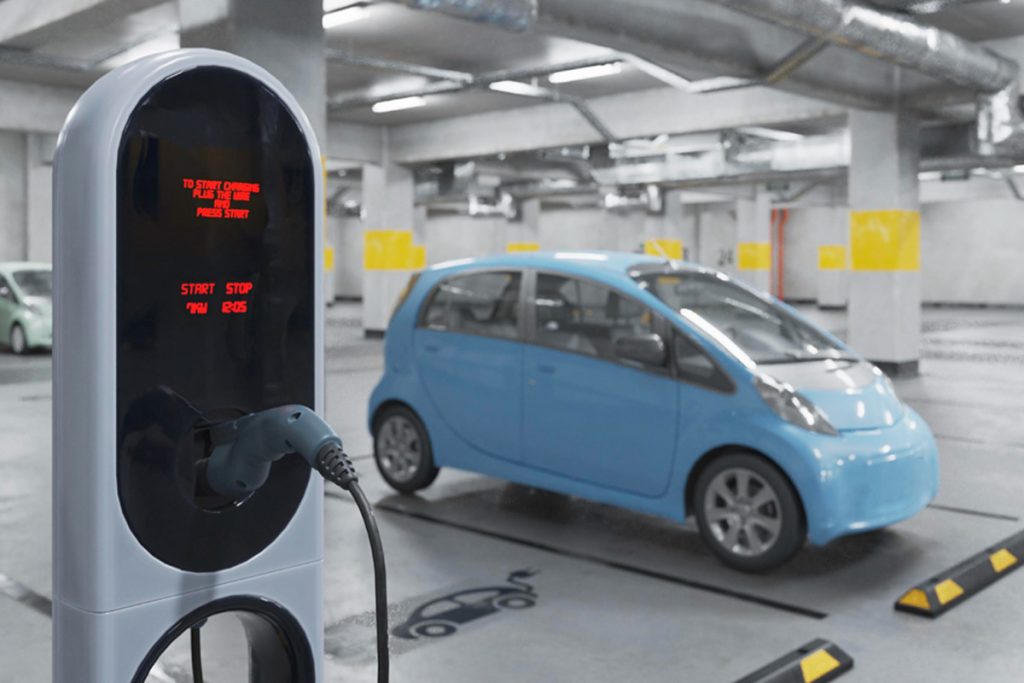
Compared to fuel, the cost of electricity per kilometre is clearly lower and far more stable. A fleet that travels thousands of kilometres per day would experience a seismic reduction in operational expense as a result. Consider a logistics company that could predict its primary energy cost much more accurately, protecting its profit margins from outside shocks. Additionally, the introduction of solar charging options at depots and possibly at key transit locations presents the alluring possibility of even cheaper, self-generated energy expenses, advancing the goal of an almost carbon-free operating footprint. An unheard-of competitive advantage in pricing and profit retention is offered by this stability and self-sufficiency potential.
Electric vehicles provide a significant simplification, since their powertrains have a lot fewer moving parts, they don’t require complicated exhaust system diagnostics, spark plug replacements, or oil changes. Due to this basic design difference, routine maintenance costs are significantly reduced and, more importantly, vehicle uptime is improved. Fleets can increase their capacity to generate revenue per unit by spending less time in the garage and more time on the road delivering goods. Better unit economics are a direct result of the fleet’s increased availability and efficiency.
Challenges hindering Uptake of EV in Kenya
The higher upfront acquisition cost of electric vehicles , especially the battery packs, is the biggest immediate obstacle facing Kenyan logistics companies, despite the obvious operational savings. Smaller and medium-sized businesses with less capital liquidity may be put off by this high capital expenditure . The Return On Investment period necessitates a longer-term financial view than many traditional fleet operators are used to, even though it seems promising because of OpEx savings.
The impact of electric vehicles on Kenya’s logistics unit economics represents a nuanced, yet ultimately compelling, argument for change. While the initial capital outlay and infrastructure development present real challenges, the long-term, predictable savings in fuel and maintenance, coupled with enhanced operational efficiency and a stronger brand identity, offer a clear path to improved profitability. For Kenyan logistics firms, transitioning to an EV-powered future is not merely an environmental choice; it’s a strategic recalculation, a calculated leap towards a more efficient, resilient, and economically sustainable future. Electric Vehicles cut costs, boost Kenya logistics profits. Despite upfront, it’s strategic for efficiency and future success.
Some of the notable players in the EV space in Kenya include:
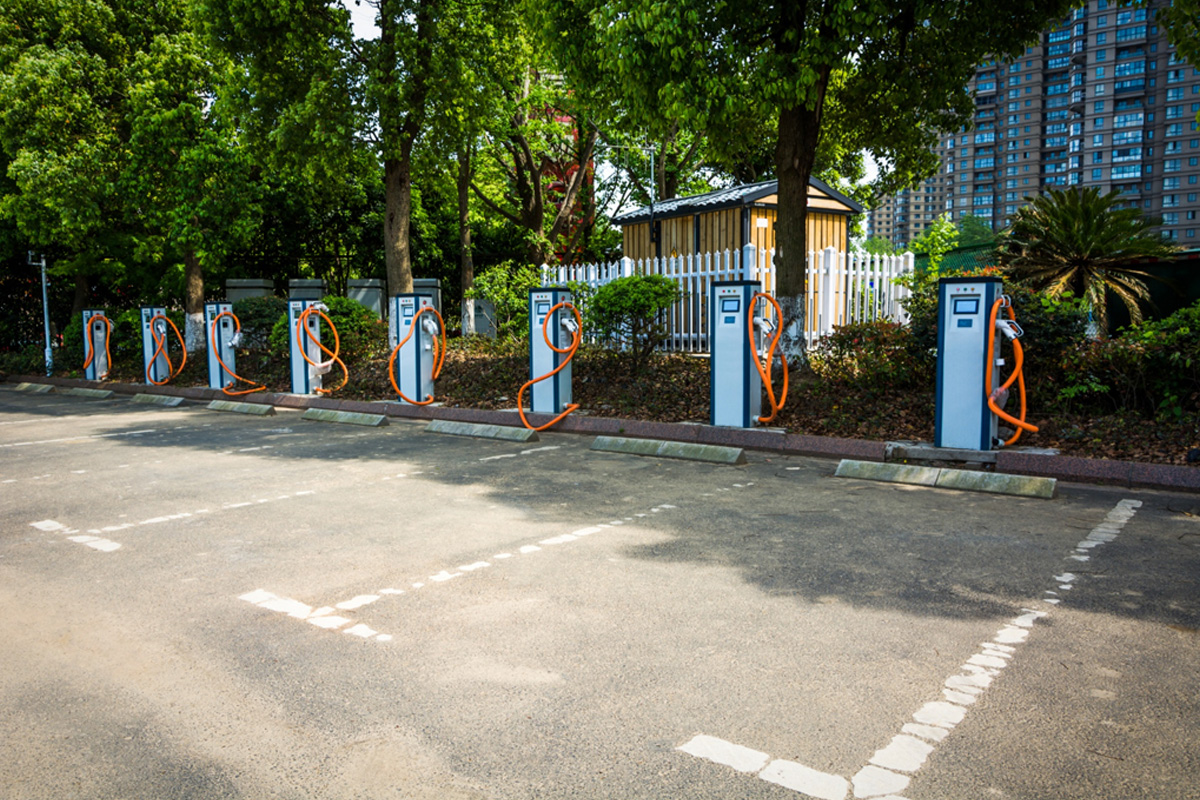
BasiGo : which is Pay As You Drive through an inventive finance strategy, they offer electric buses for public transportation,removing the significant upfront costs for bus owners. They also set up networks for servicing and charging their expanding fleet.
Opibus: Currently operating under the Roam brand, was a pioneer in the field and concentrated on creating and producing electric motorbikes as well as converting commercial vehicles, such as buses and light trucks, to electric drivetrains. They played a key role in demonstrating could be used commercially in Kenya.
Spiro: is a leading manufacturer of e-motorbikes, renowned for its vast battery-swapping network, which enables users to swiftly swap out their used batteries for fully charged ones and for boda-boda drivers, this removes range concern and length
Roam: With a strong emphasis on local design and assembly for African conditions, this Kenyan-Swedish company designs and develops electric buses and motorcycles, such as the Roam Air whose goal is to offer affordable, eco-friendly transportation options.
ARC Ride: They specialize in offering dependable, reasonably priced electric two- and three-wheelers, mostly for the ride-hailing and logistics industries. A Battery As A Service infrastructure with battery swap stations being constructed by ARC Ride.
How 25 Cargo is tapping into EV to make door to door delivery affordable.

At 25 Cargo, we have a laser sharp focus on making deliveries of parcels affordable to individuals and business. It’s due to this awakening that we are keen on researching around developing realistic models and partnering with other players in the field to infuse Electric Vehicles into our fleet. If you are keen enough, you are likely to find a 25 Cargo electric boda on the streets doing daily runs!